Why seasons matter in Wisconsin
Four distinct seasons mean varying humidity, heating use, and exposure to outdoor smoke or sparks. In Wisconsin, fall and winter bring more indoor heating and a higher chance of accidental fires from candles or overloaded circuits. Spring can carry wildfire risk and occasional brush fires nearby. Summer storms bring lightning risks. Each season affects how smoke and heat can impact a home, and that makes regular checks essential.
Across Wisconsin, our crews see the same patterns: areas near heating devices, kitchens, and living spaces are most at risk. By staying ahead of potential issues, homeowners avoid bigger repairs later and reduce the chance of long-lasting odors spreading from hidden pockets.
Seasonal checks you can do
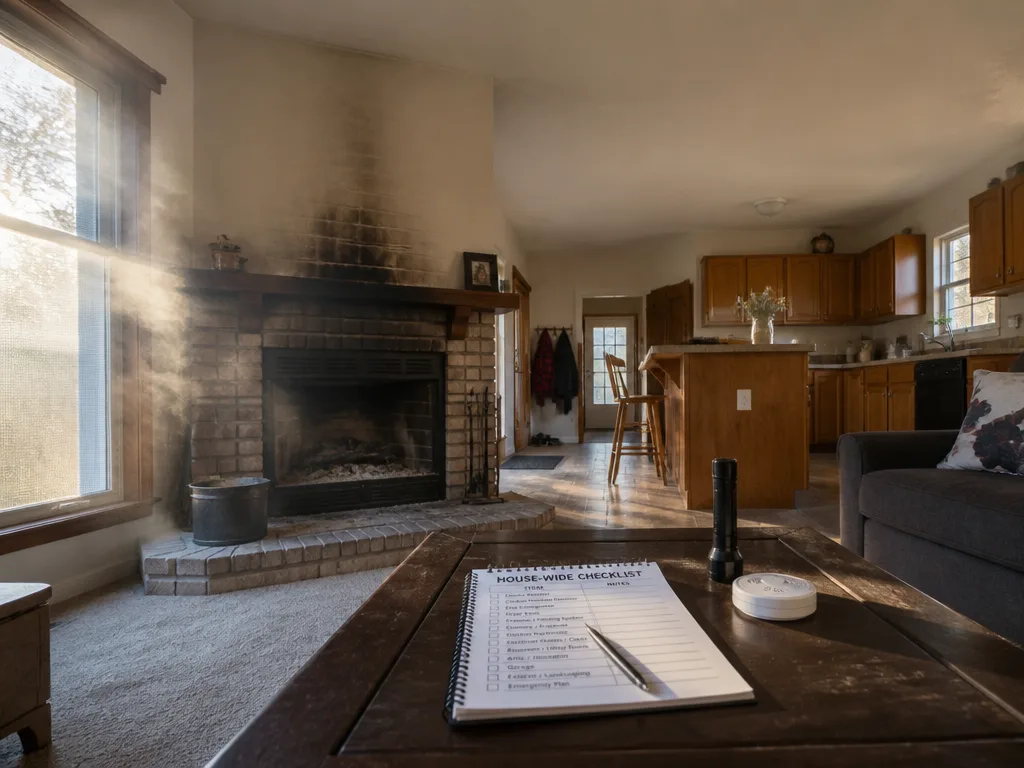
Tip one is to inspect your smoke alarms and batteries twice a year, aligning with clock changes in spring and fall. Test them monthly and replace units when indicated. Clean windows and around vents to keep airflow steady, especially in rooms you use most. Look for any signs of discoloration on walls, ceilings, or trim after a windy day or a kitchen flare-up and call a fire & smoke damage specialist if you notice anything unusual.
Control humidity with a dehumidifier in damp Wisconsin basements or living areas during humid months. This helps reduce mold risk and makes the cleanup landscape easier if a future incident happens. Our statewide teams can guide you on the right settings for your home and climate conditions across Wisconsin.
What to do after a weather event
If smoke or heat enters your home after a storm or during high winds, secure the area, avoid touching surfaces heavily, and call a fire & smoke damage specialist. A prompt assessment helps determine whether you need cleaning, odor control, or more involved restoration. Across Wisconsin, our crews coordinate access, plan steps, and work to minimize disruption while protecting your home and family.